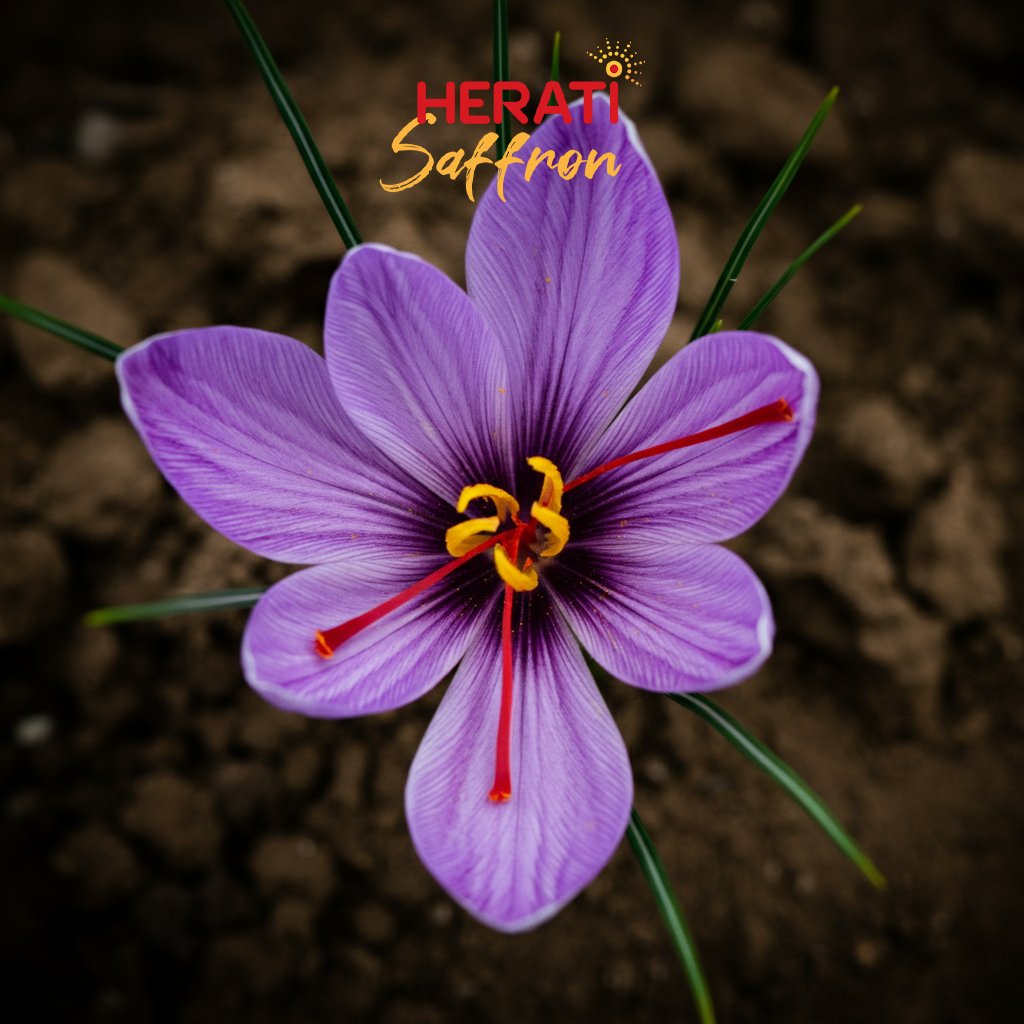

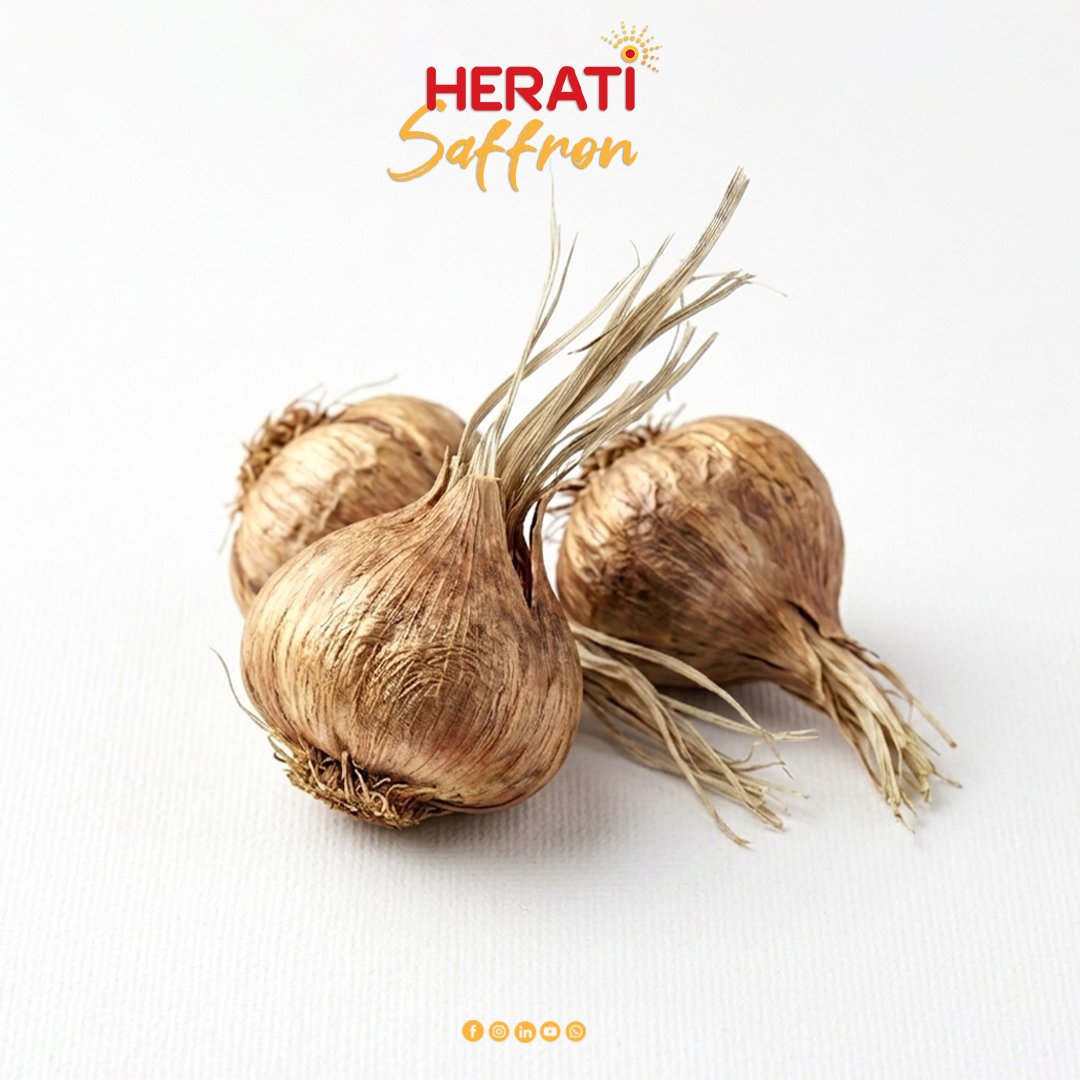
When we talk about the saffron harvest, we usually mean plucking the purple flowers in mid-to-late autumn. But what about harvesting the actual corms (bulbs) underneath?
The underground corms have a completely different timeline:
- The Dig-Up Window: Saffron bulbs go completely dormant in the heat of the summer (late June through July). This is when the green, grass-like foliage has entirely withered away. If a farmer needs to thin out an overcrowded bed, relocate the crop, or sell the bulbs, this is the exact time they must be dug up.
- The Replanting Clock: Once harvested and sorted, the bulbs shouldn’t sit around too long. They must go back into the ground by August or September so they can establish roots in the warm soil before their autumn wake-up call.
Bigger is Better: Choosing the Ultimate Saffron Bulb
If you are starting a saffron farm or just planting a patch in your backyard garden, bulb selection is everything. Smaller bulbs will leave you empty-handed in year one, while premium bulbs yield a crimson jackpot right away.
The rule of thumb for saffron corms is simple: size dictates the bloom. Saffron bulbs are graded by their circumference (caliber) in centimeters:
| Bulb Size (Caliber) | Expected Yield (Year 1) | The Verdict |
| Under 7-8 cm | 0 Flowers | The Waiters: Too young. They will just grow leaves and spend the first year building energy. |
| 9 / 10 cm | 2 to 3 Flowers per bulb | The Standard: Great baseline choice for commercial starting stock. |
| 11 / 12+ cm | 5 to 6+ Flowers per bulb | The Heavy Hitters: Premium jumbo bulbs. They pack massive starch reserves, giving you a massive harvest in the very first autumn. |
Pro Tip: Look for corms that are firm, plump, and free of soft spots or white mold. A healthy, heavy tunic (the papery brown skin around the bulb) protects it from pests while it sleeps through the summer.
Spotting the Masterpiece: The Legend of Herati Saffron
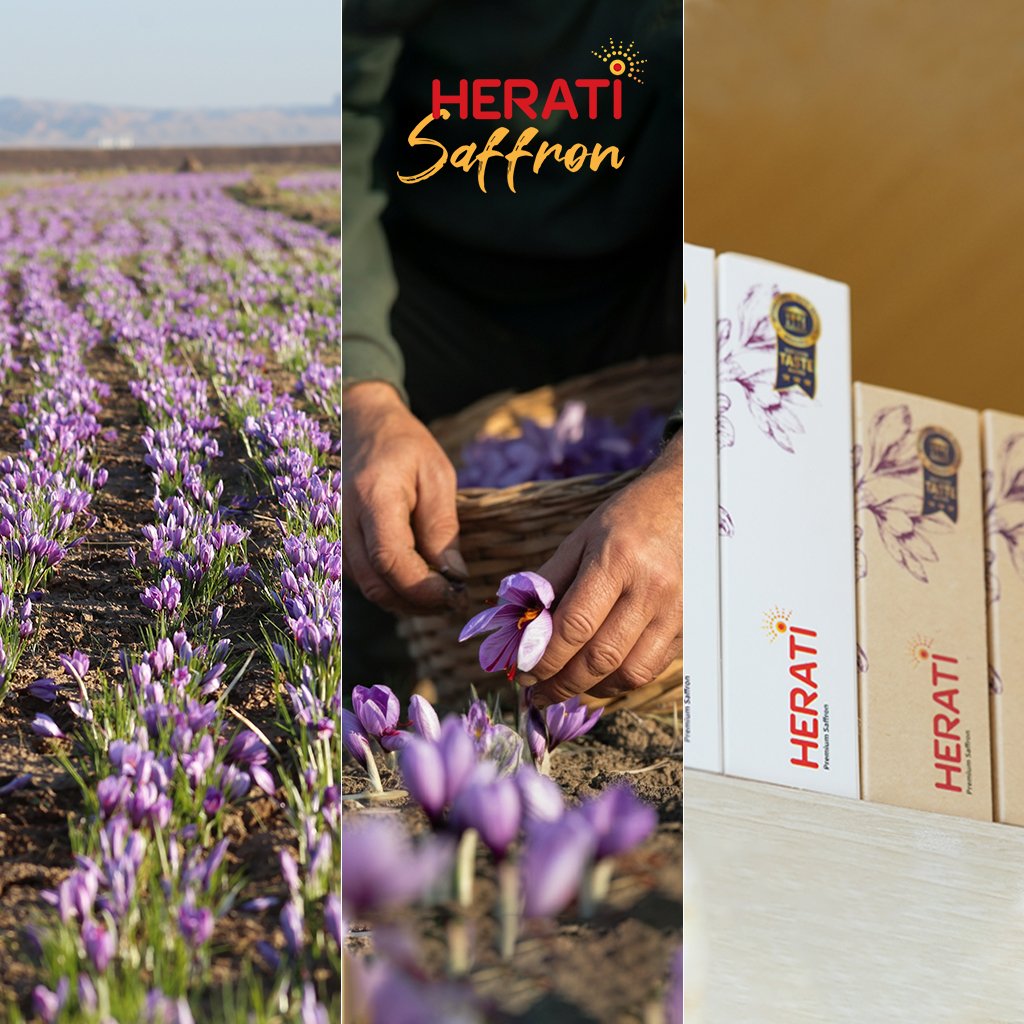
You cannot talk about world-class saffron without mentioning the Herat province in western Afghanistan. For several years running, international taste and quality institutes have consistently rated Herati saffron as the best in the world.
The arid, sun-baked deserts of Herat, situated on the old Silk Road, provide the absolute perfect terroir—intensely hot, dry summers and crisp, cold winters.
What makes Herati saffron so legendary?
- The Flame-Tipped Cut: Herati farmers are masters of the “Super Negin” and “Sargol” grading cuts. When stripping the flower, they meticulously pull only the thickest, topmost crimson part of the thread, leaving a characteristic flame-colored tips. You won’t find any of the yellow style (the flavorless yellow stalk) cutting down the weight of a Herati jar.
- The Aromatic Profile: Because of the intense desert sun and native drying traditions, Herati saffron has an uncommonly potent concentration of safranal and crocin. Open a jar of genuine Herati saffron, and you are hit with an intoxicating, heady scent profile often described as a mix of honey, dried roses, and fresh autumn hay.
- An Economic Lifeline: Beyond its luxury status, saffron has become a revolutionary crop in Herat. It has successfully replaced poppy cultivation in many areas and provides critical, high-paying agricultural independence for cooperatives of Afghan women who lead the intense harvesting and stripping phases.