
When sourcing a luxury ingredient like saffron, premium color and unmatched flavor are only half the equation. The other half and arguably the most critical for international importers, boutique retailers, and corporate buyers is food safety.
In the global food trade, compliance isn’t just about passing local kitchen inspections. It is about meeting a unified international benchmark. That benchmark is ISO 22000.
While laboratory testing (like ISO 3632) proves the potency of our saffron, ISO 22000 certifies the safety of our entire operation. Here is a clear look at what this standard means and why it protects both your customers and your business.
What Exactly is ISO 22000?
ISO 22000 is an internationally recognized standard designed specifically for Food Safety Management Systems (FSMS). It maps out exactly what an organization needs to do to demonstrate its ability to control food safety hazards.
Instead of just testing the final product, ISO 22000 looks at the entire journey—from farm to fork. It combines standard business management practices with rigorous food hygiene principles to ensure nothing is left to chance.
                                ┌───────────────────────────────┐
                                │    ISO 22000 Safety Pillars   │
                                └───────────────┬───────────────┘
                                                │
                   ┌────────────────────────────┼────────────────────────────┐
                   ▼                            ▼                            ▼
          Interactive Communication    System Management            Hazard Control (HACCP)
          (Transparent Logistics)     (Continuous Control)          (Zero Contamination)
The Three Core Components of Our Safety System
Under ISO 22000, our facility operates under a strict, three-layer safety framework to prevent biological, chemical, or physical contamination:
1. Interactive Communication
A safe supply chain requires total transparency. ISO 22000 ensures that we maintain continuous communication upstream with our farmers and downstream with our international logistics partners. Every hand that touches our saffron is tracked, creating absolute traceability from the fields of Herat to your final delivery destination.
2. Prerequisite Programs (PRPs)
Before the saffron even enters our processing facility, the environment must be flawless. PRPs are the foundation of basic hygiene. They mandate strict protocols for:
- Advanced personnel hygiene and sanitization stations.
- Pest control and air/water quality monitoring.
- Strict allergen management to prevent cross-contamination.
3. Hazard Analysis & Critical Control Points (HACCP)
This is the scientific heart of food safety. Our team maps out every single step of our processing line to identify potential risks. We establish “Critical Control Points” where hazards are actively prevented or eliminated such as during the precision drying, sorting, and airtight sealing phases.
Why ISO 22000 Matters to Our International Partners
For B2B procurement managers and premium food manufacturers in the US and Europe, sourcing from an ISO 22000-compliant partner removes major operational risks:
- Flawless Global Compliance: ISO 22000 aligns perfectly with strict international border regulations, drastically reducing the risk of customs delays, paperwork rejections, or import holds.
- Brand Reputation Insurance: Serving or retailing certified saffron means zero compromises on hygiene. It protects your brand from the devastating financial and legal costs of product recalls.
- Consistency at Scale: Because every operational step is documented and reviewed, a batch shipped in January will match the exact safety and cleanliness profiles of a batch shipped in September.
Absolute Safety in Every Thread
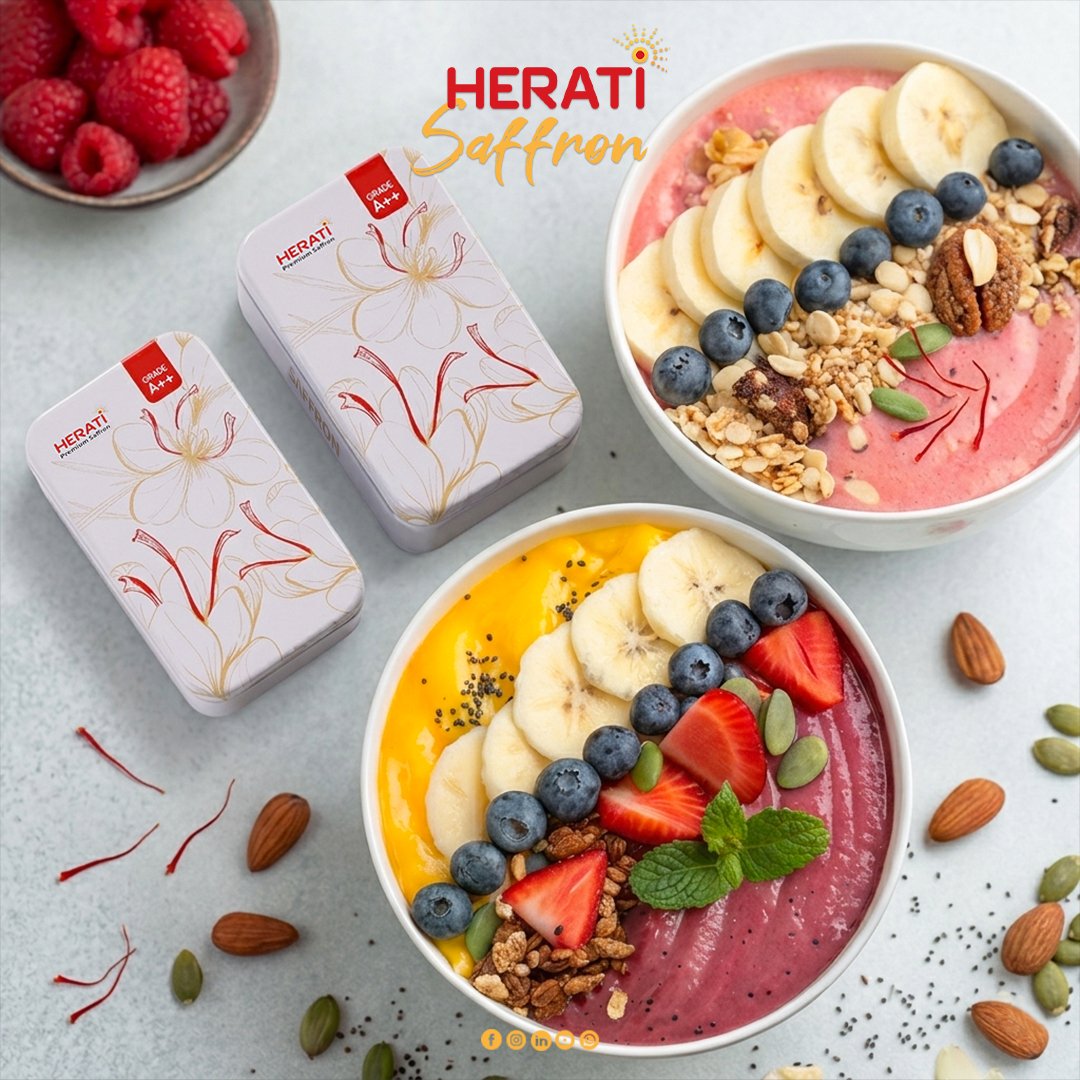
True luxury requires peace of mind. By pairing the chemical potency of our Grade A++ threads with the structural safety of ISO 22000, we ensure that every single gram of saffron exported from our facility meets the highest culinary and safety standards on earth.