
In recent years, Afghan saffron has consistently ranked among the top three agricultural exports of the country. This highlights saffron’s role as a vital and strategic export for Afghanistan. While asafoetida (Hing) and dried figs have been strong competitors in terms of revenue, saffron stands out due to its diverse and expanding market.
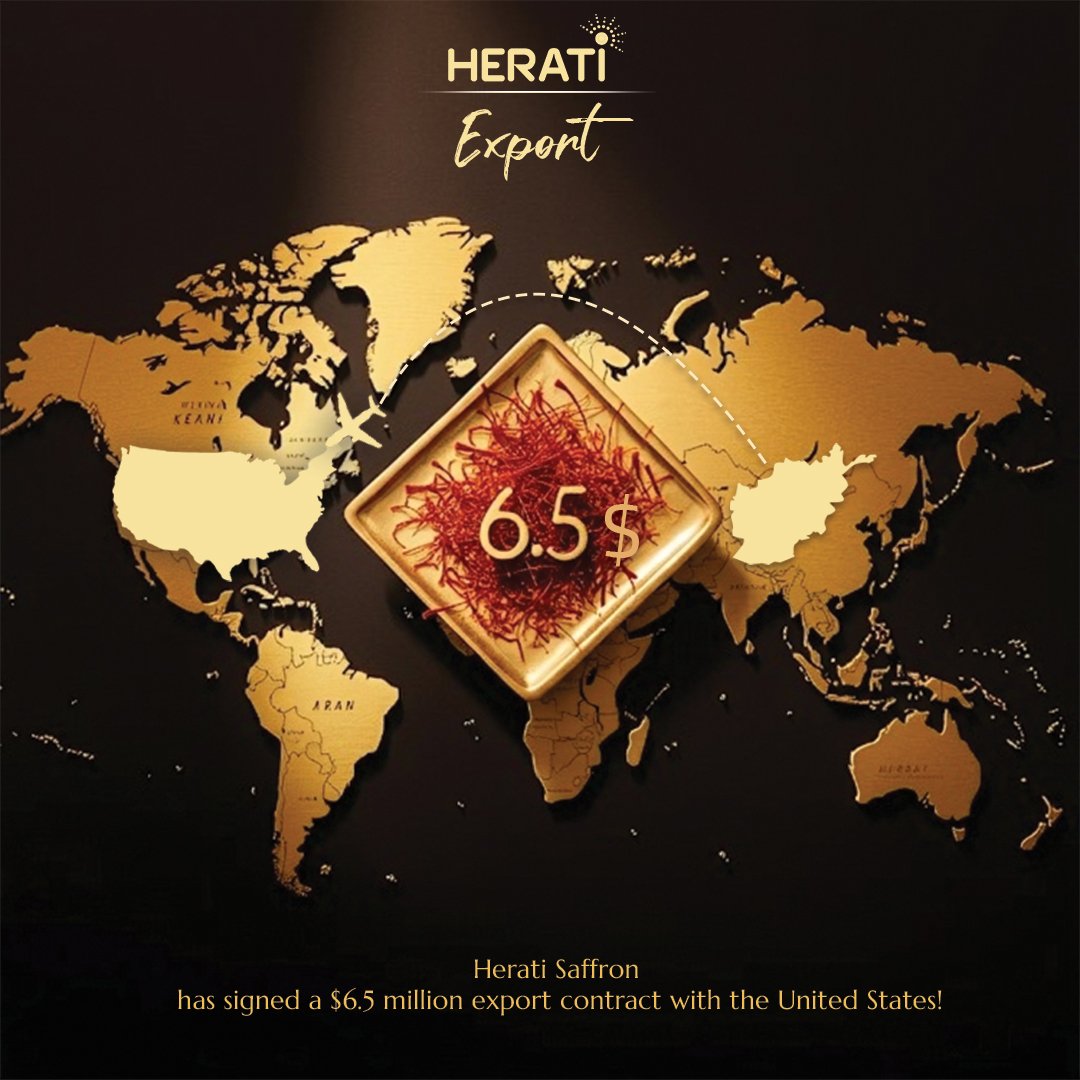
While asafoetida and dried figs are primarily exported to a single strong market, India, Afghan saffron has successfully reached a global audience. Although India remains its largest market, a significant portion of Herat’s saffron is exported to numerous other countries. Saudi Arabia, the United Arab Emirates, Spain, the United States, and Germany are all major importers of this “red gold.” In total, Afghan saffron is exported to nearly 30 countries, making it one of the most diverse export markets for Afghan products, alongside handmade carpets.
The potential for saffron to be exported to almost every country in the world is a key advantage. With greater effort from exporting companies, the market for Afghan saffron could become even more varied. Many countries have an annual consumption of several hundred kilograms of saffron, and even these smaller markets, if managed effectively, can create significant trade opportunities for Afghanistan’s prized spice.
What Makes Herati Saffron Special?
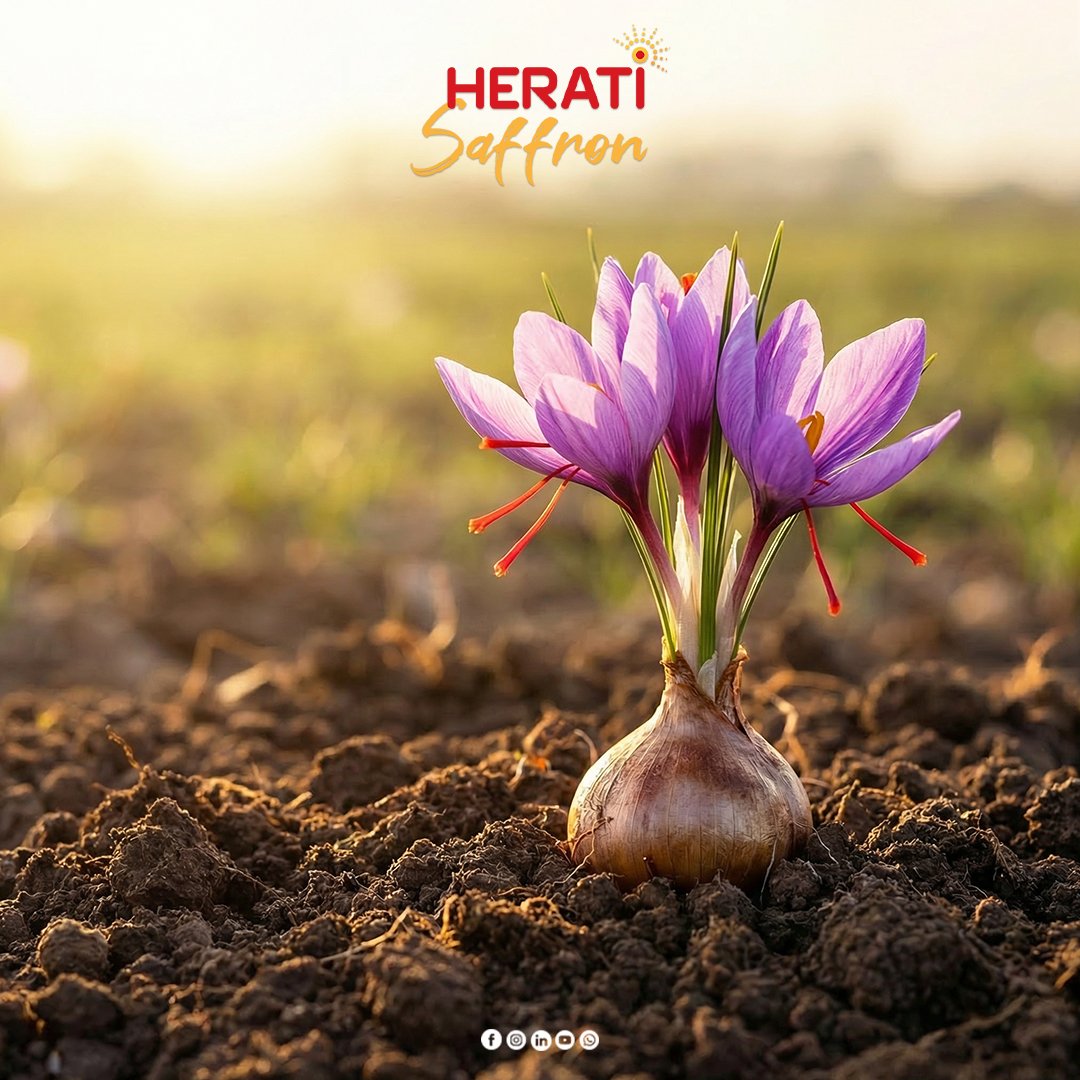
Herati saffron, grown in the heart of Afghanistan’s Herat province, is globally recognized for its superior quality. Here’s what sets it apart:
- Ideal Growing Conditions: The Herat region boasts a unique combination of sunny days, cool nights, and fertile soil, creating the perfect environment for cultivating saffron with a rich red color, intense flavor, and a distinctive aroma.
- Scientifically Proven Quality: Scientific analysis of Herati saffron consistently reveals high levels of crocin (for color), picrocrocin (for taste), and safranal (for aroma), the three key indicators of premium saffron.
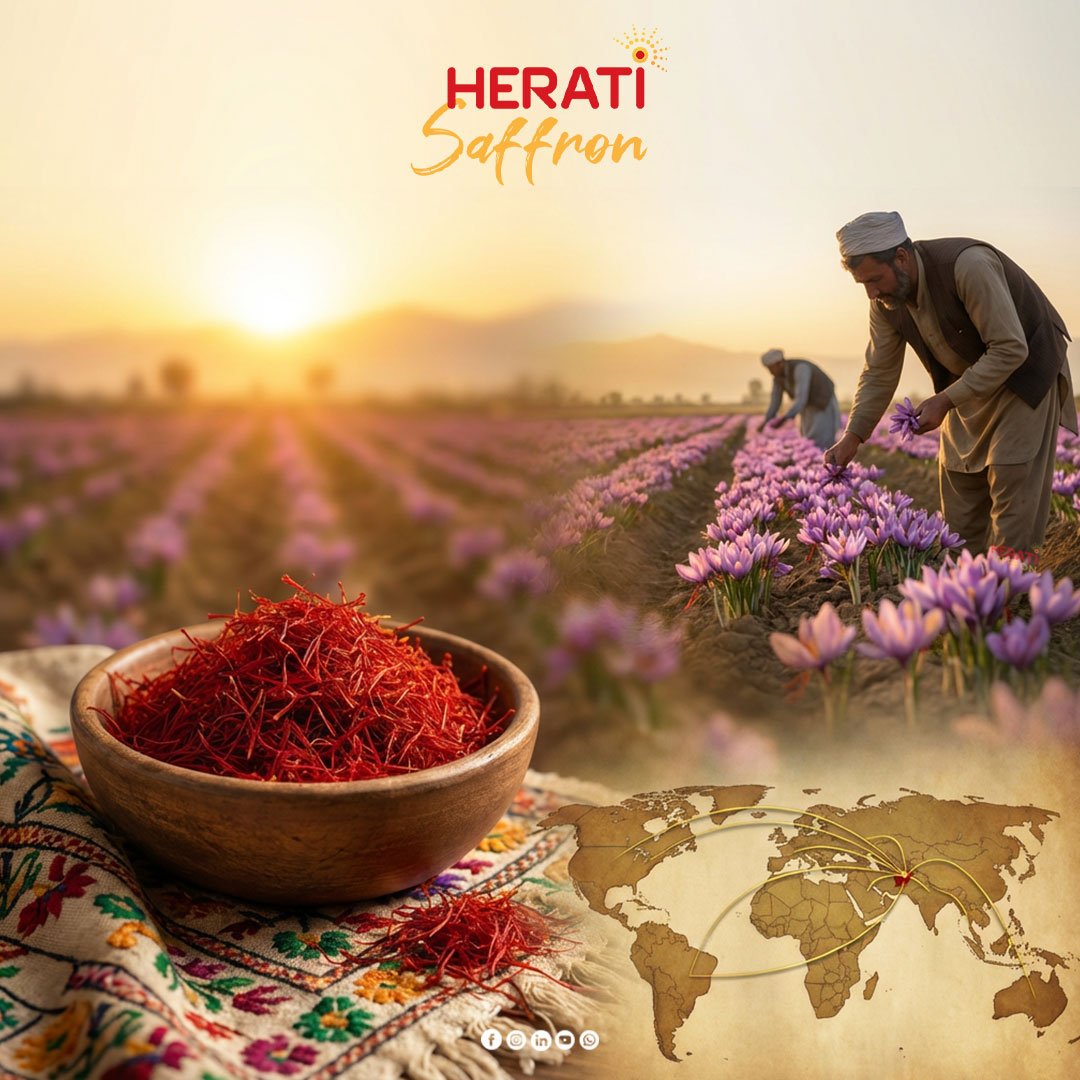
- Traditional Harvesting: Each saffron flower is hand-picked at dawn to maintain its freshness. The delicate red stigmas are then carefully separated and naturally dried, a traditional method that ensures the saffron remains pure and potent.
- Purity and Natural Cultivation: Herati saffron is grown without the use of chemical fertilizers or pesticides, making it a 100% natural and pure product.
It is often referred to as “Super Negin” saffron, the highest grade available.
Afghanistan’s Saffron on the World Stage
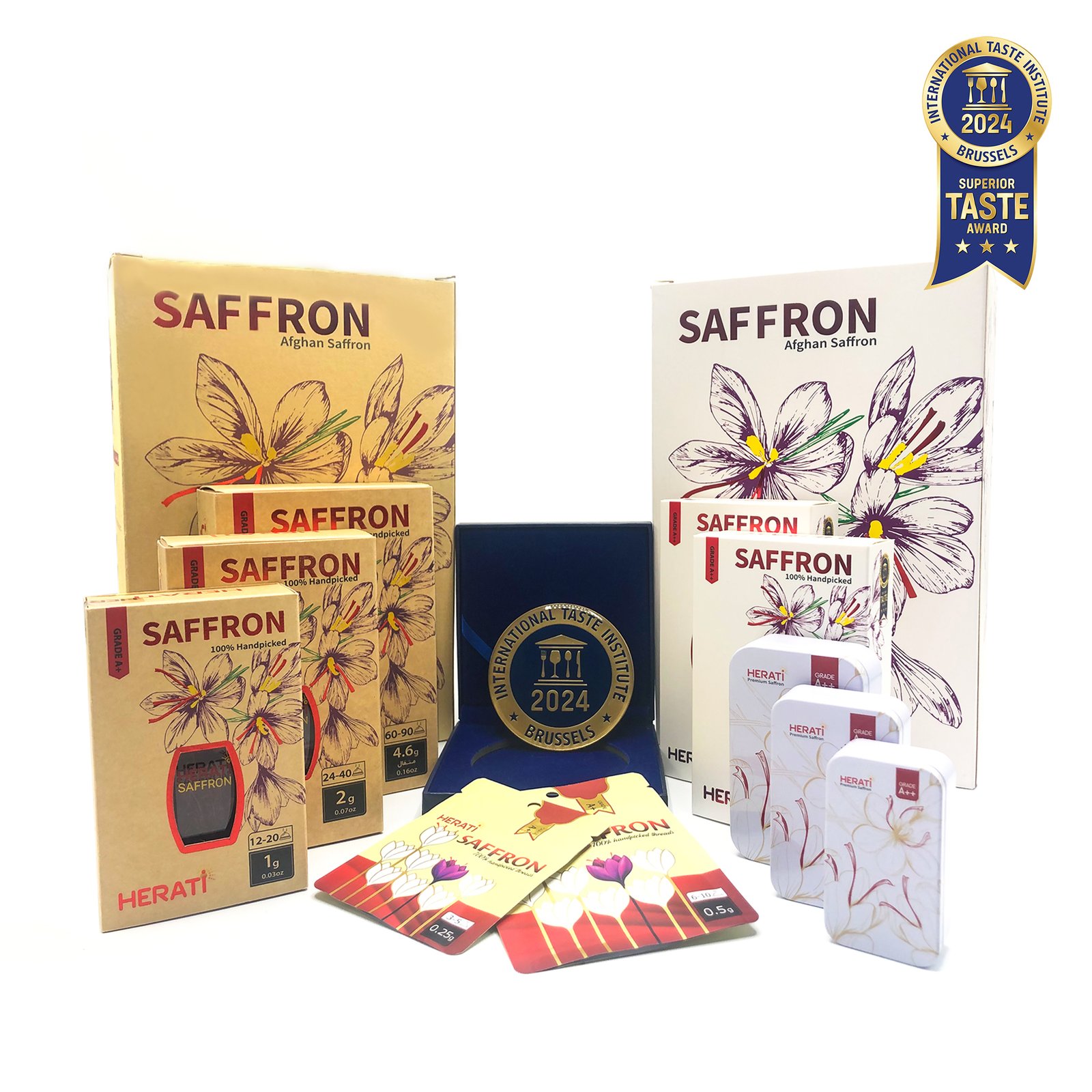
Afghanistan has quickly emerged as a powerhouse in the global saffron market. For the ninth consecutive year, Afghan saffron was named the best in the world by the International Taste Institute.
Afghanistan is the second-largest producer of saffron globally, with cultivation spread across 26 of its 34 provinces.
The majority of this production, around 90%, comes from the Herat province.
The saffron industry is a significant contributor to the Afghan economy, and production is expected to continue to grow.
How to Identify Pure Saffron
With its high price, it is important to be able to identify genuine, high-quality saffron. Here are a few tips:
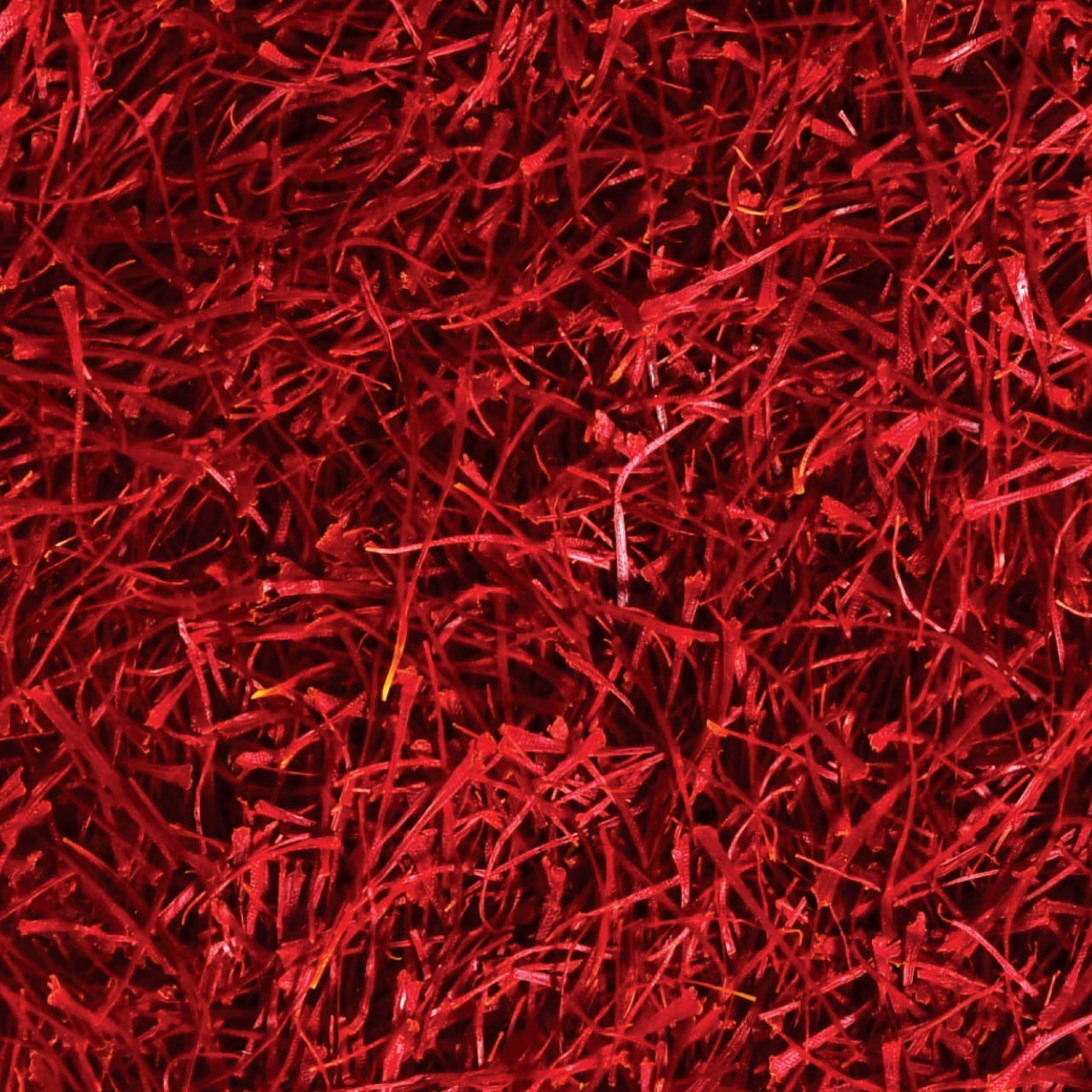
- Appearance: Pure saffron threads are a deep, vibrant red and have a trumpet shape.
- Aroma: Genuine saffron has a sweet, floral aroma often described as a blend of honey and hay.
- The Water Test: When you place real saffron in water, it will slowly release a golden-yellow color, but the threads themselves will remain red.
Taste: Despite its sweet smell, pure saffron has a slightly bitter taste.