
You’ve probably heard of saffron, and maybe seen its tiny glass jars at the store. If you have never cooked with it before, it can feel a little mysterious or intimidating.
Good news: you do not need to be a gourmet chef to enjoy it. Whether you are curious about what it tastes like or wondering how to use it in your own kitchen, here is everything you need to know about the world’s favorite golden spice, kept completely simple.
Saffron in 10 Seconds
- What it is: The delicate red threads from the center of a purple flower.
- What it does: Turns food a gorgeous golden-yellow and adds a warm, floral, honey-like aroma.
- How much you need: Just a tiny pinch (5 to 10 threads) is enough for an entire meal.
Where Does Saffron Come From?
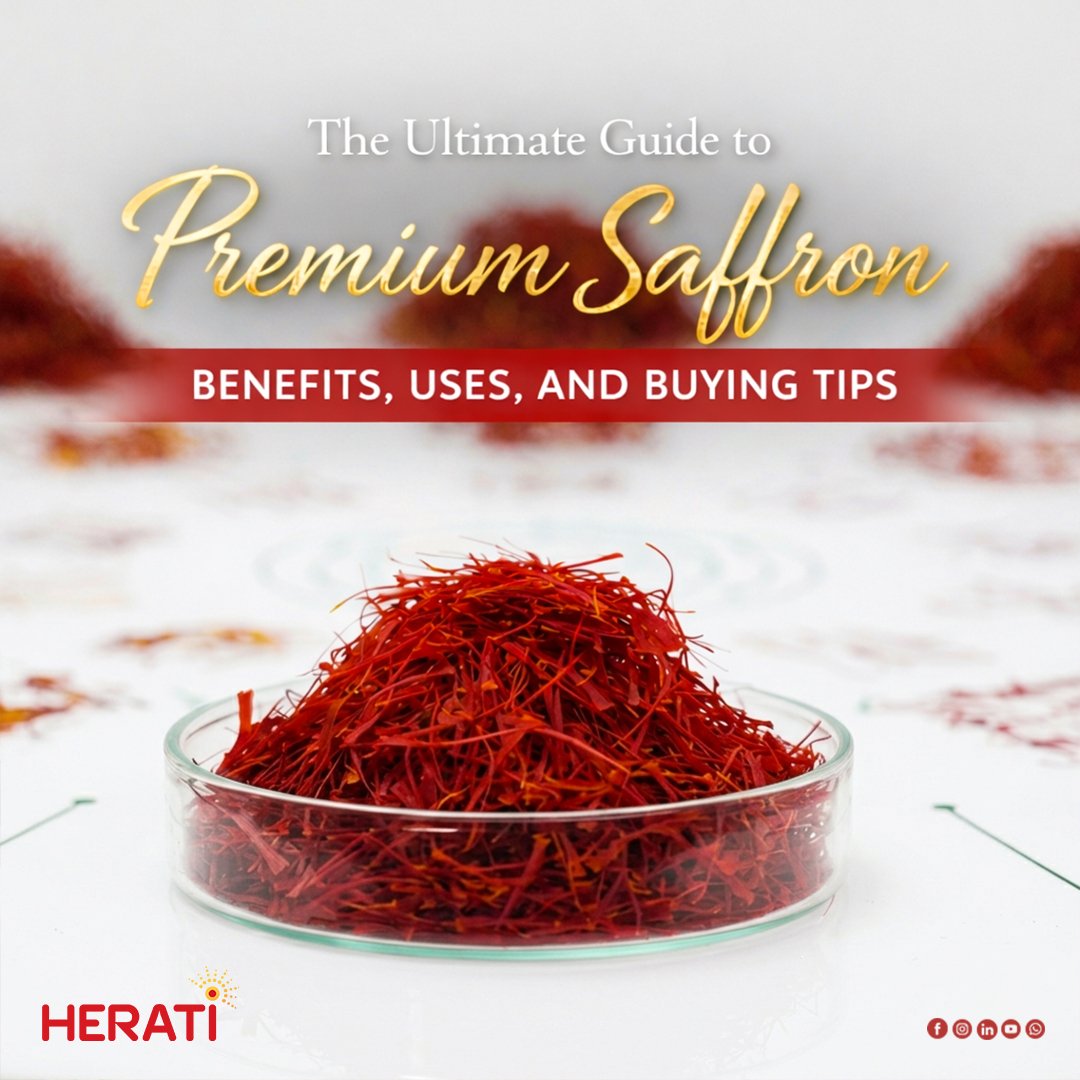
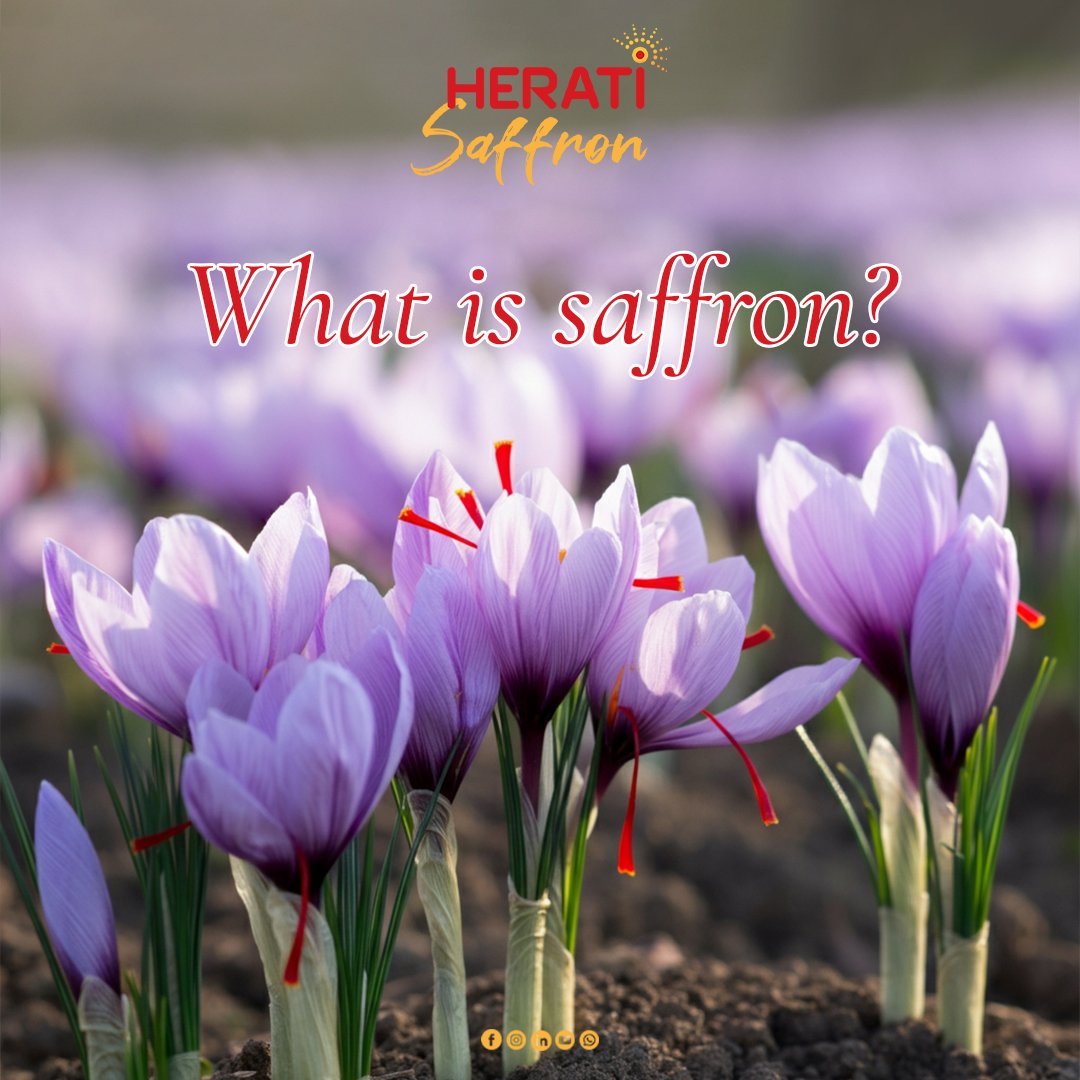
Saffron comes from a purple autumn flower called the saffron crocus. Inside the center of each flower are just three delicate, crimson-red threads.
Farmers gently pick these threads by hand and dry them. Once dried, those vibrant red threads are the saffron you see in the jar. There are no artificial dyes, additives, or complicated processing involved. It is pure, sun-kissed nature.
What Does Saffron Taste and Smell Like?
Many beginners worry that saffron might be fiery like chili powder or sharp like raw turmeric. In reality, saffron is not spicy or hot at all.
Instead, it has a gentle, comforting flavor that is hard to compare to anything else. Imagine a soft blend of wildflower honey, warm hay, and a hint of floral sweetness. It does not overpower a dish. Rather, it wraps around the other ingredients and makes the whole meal feel richer and more aromatic.
Why Is Saffron So Special (and Valuable)?
You might notice that saffron costs more per gram than everyday spices like cinnamon or black pepper. There is a simple reason for that: machines cannot harvest saffron.
The saffron crocus blooms for only a few short weeks each autumn. Every single flower must be picked by hand at dawn, before the midday sun wilts the delicate petals. Afterward, the three tiny red threads inside each flower are separated by hand.
It takes roughly 150,000 flowers to produce just one kilogram of dry saffron. That is why people around the world call it “Red Gold.”
The good news for your wallet: Because pure saffron is so rich in color and aroma, a little goes a very long way. A single 1-gram jar contains hundreds of threads, which is enough to flavor 20 to 30 family meals.
How to Use Saffron at Home (The 1-Minute Rule)
If you are worried about ruining an expensive spice, take a deep breath. Cooking with saffron is surprisingly easy once you know one simple trick: never toss dry threads straight into a hot pan.
Instead, wake them up first with a quick process called “blooming”:
- Crush: Take a small pinch of threads (about 5 to 10) and gently rub them between your fingers to break them up.
- Soak: Drop the crushed threads into 2 tablespoons of warm water, warm milk, or broth.
- Wait: Let it sit for 10 minutes. You will watch the liquid slowly transform into a brilliant, glowing golden-yellow.
- Pour: Stir that golden liquid (along with the threads) into your food near the end of cooking.
3 Easy Ways to Try It Today
- Golden Tea or Warm Milk: Stir bloomed saffron into a mug of warm milk or black tea with a drizzle of honey before bed.
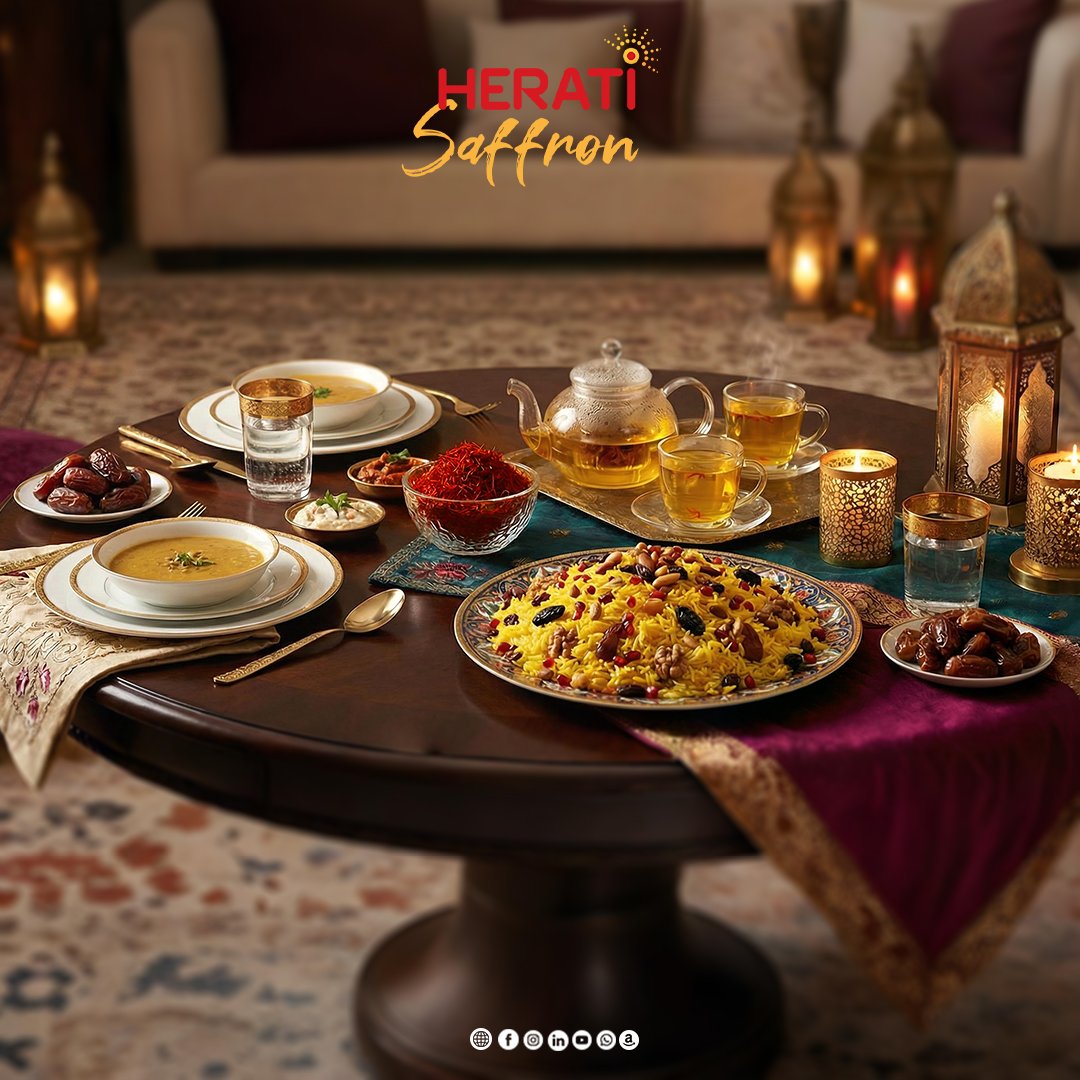
- Elevated Everyday Rice: Pour saffron water over plain white or basmati rice during the last 5 minutes of steaming for instant restaurant-style color and aroma.
- Cozy Soups and Pastas: Add a splash to chicken soup, creamy pasta sauces, or risotto for a subtle, comforting warmth.
How to Tell If Your Saffron Is Real
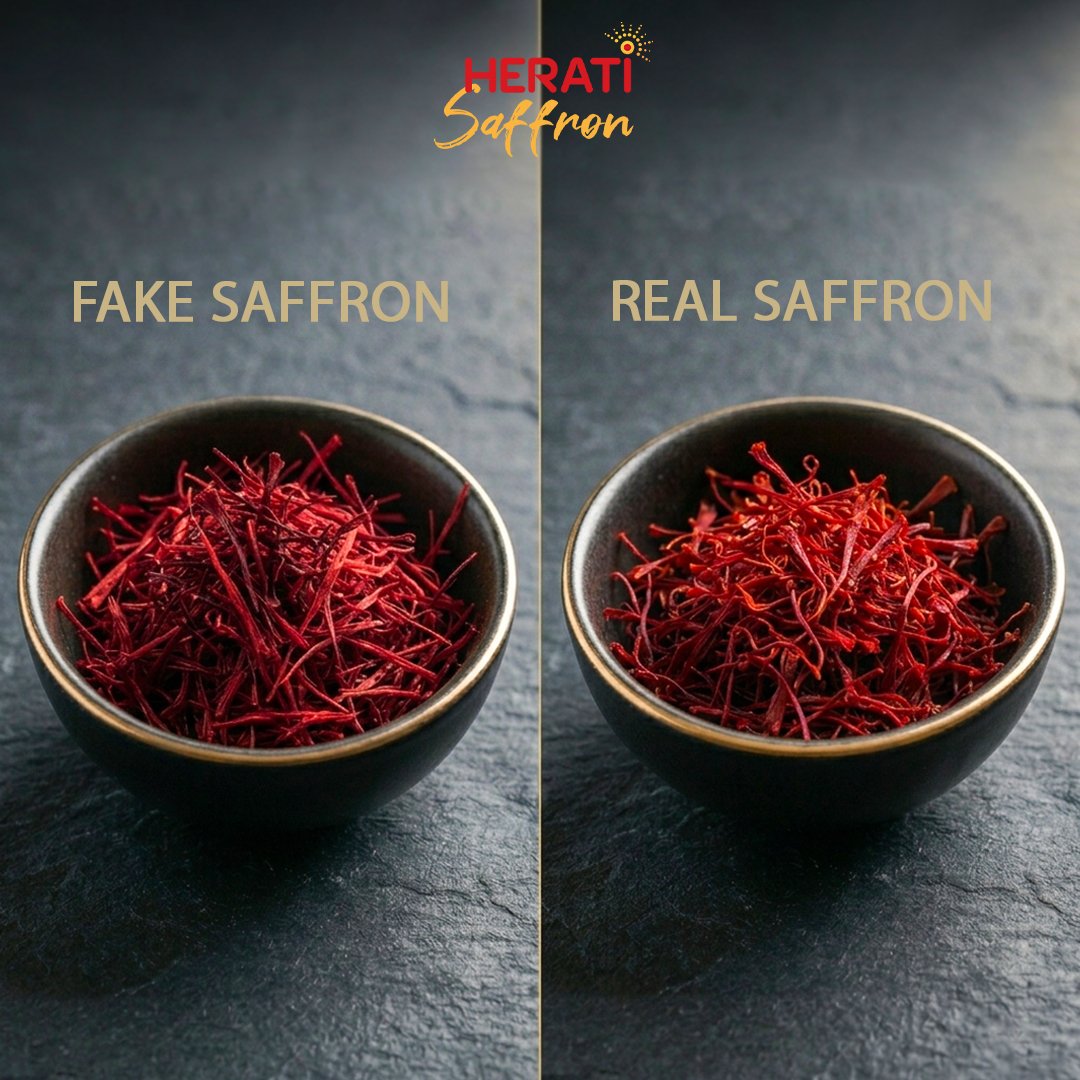
Because real saffron is valuable, some stores sell cheap imitations made from dyed corn silk or safflower. Thankfully, spotting authentic saffron is easy once you know what to look for:
- Check the color change: When placed in warm water, real saffron releases its golden-yellow color slowly over 10 to 15 minutes. If the water turns bright red instantly, it has been dyed.
- Look at the shape: Real saffron threads are slightly wider at one end (like a tiny trumpet) and taper down at the other.
- Smell the jar: Authentic saffron smells sweet, floral, and earthy. It should never smell musty, metallic, or completely odorless.
Why Herat, Afghanistan?
Just like coffee from Colombia or olive oil from Italy, where saffron grows shapes its quality.
Herat, located in western Afghanistan, has sunny days, crisp nights, and mineral-rich soil. These natural conditions allow saffron flowers to develop exceptionally deep crimson threads packed with natural color and fragrance. Year after year, Herati saffron is recognized by international food experts as some of the finest in the world.
At Herati Saffron, we work directly with local farming families in Herat. Every jar is carefully hand-harvested, naturally dried, and packed fresh so you can experience true Red Gold in your own kitchen without any middlemen.
Ready to Try Your First Pinch?
You do not need a special occasion to cook with saffron. Start small, keep it simple, and let a few golden threads turn an ordinary meal into something memorable.
Explore our fresh harvest at Herati Saffron and bring a little warmth to your kitchen today.