

Saffron is one of the most powerful natural ingredients in the world, but like any potent herb, the right dosage is important. Too little and you miss the benefits; too much and it becomes unnecessary or wasteful.
Based on research and traditional usage, here is the clear, correct, and safe daily dosage for pure saffron, especially premium Herati Saffron.
Recommended Daily Saffron Dosage
2–5 strands per day
This is the ideal amount for:
• Mood improvement
• Energy and focus
• Stress reduction
• Immune support
• Better sleep
• Daily wellness
This small amount is enough because saffron contains highly concentrated compounds such as crocin, safranal, and picrocrocin.
Maximum Safe Dosage
Up to 30 mg per day (around 10–12 strands)
Safe for adults when used in tea, milk, or food.
Do NOT exceed 150 mg (large amounts can be harmful or cause dizziness).
Why You Only Need a Few Strands
Saffron is a highly potent spice. Each strand contains:
• strong antioxidants
• natural mood-boosting compounds
• anti-inflammatory properties
• sleep-support chemicals
Unlike other herbs, saffron does not need “large spoons.”
A few strands give full results.
Best Ways to Take Saffron Daily
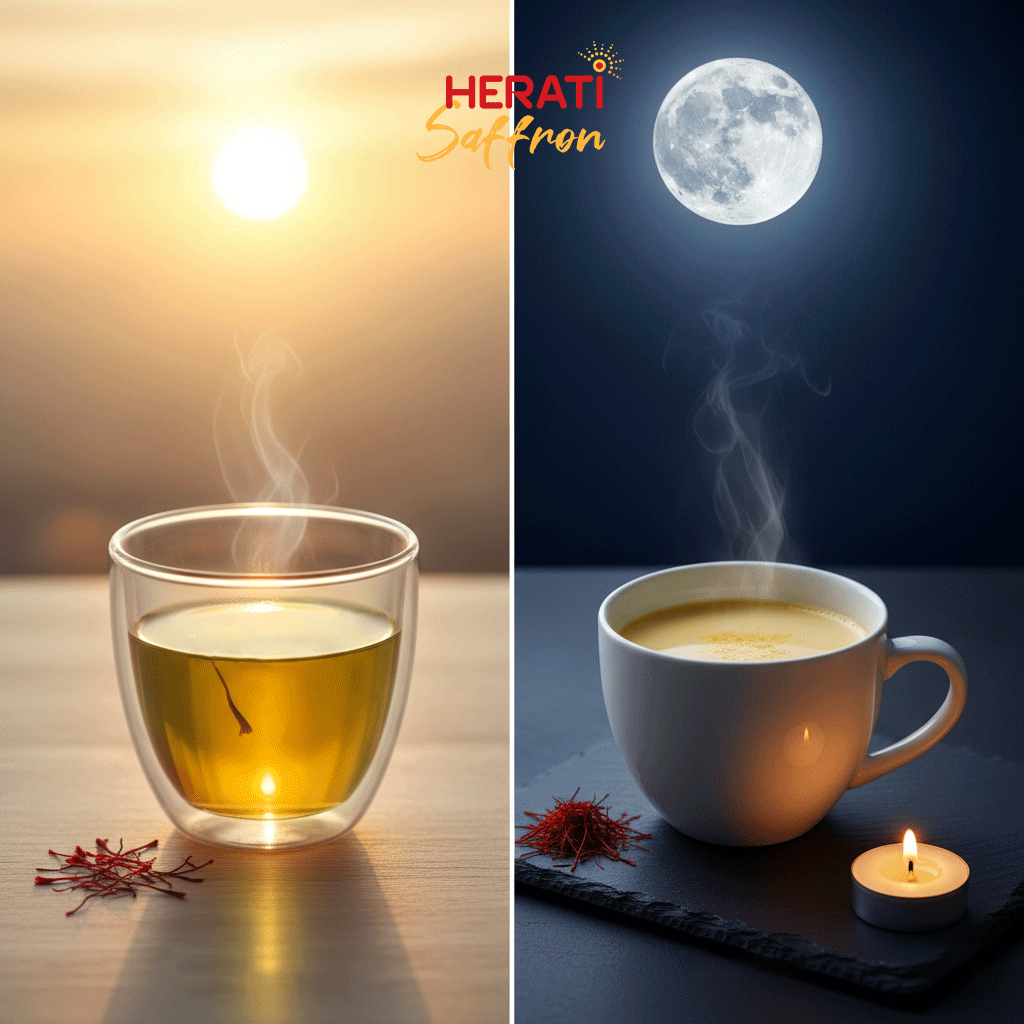
1. Morning Saffron Tea — Best for Mood & Energy
Dosage: 2–3 strands
Steep in warm water for 3–5 minutes.
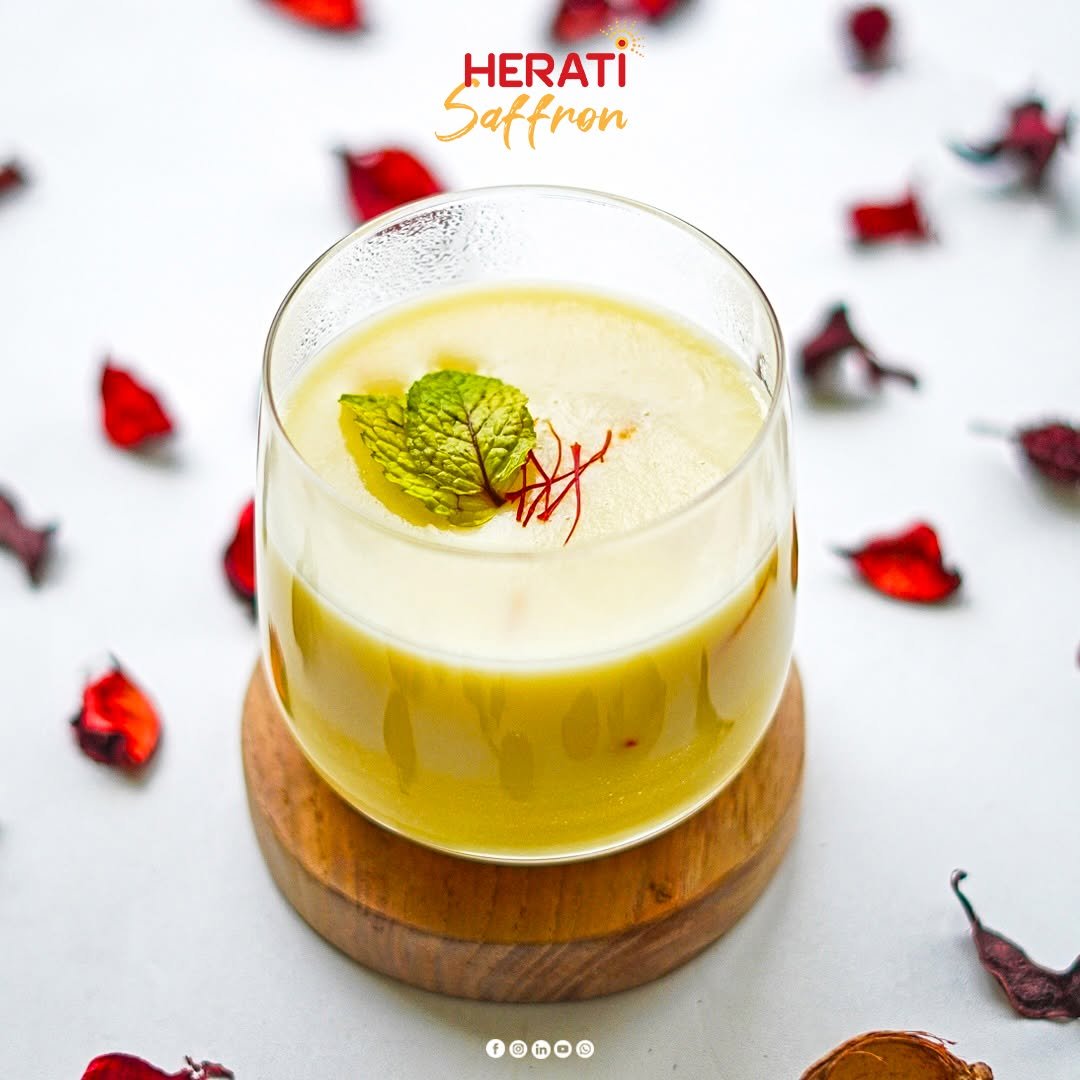
2. Night Saffron Milk — Best for Sleep
Dosage: 2–3 strands
Add to warm milk and rest 10 minutes.
3. Saffron Water For Hydration & Light Daily Use
Dosage: 2 strands
Leave in a bottle of water and drink throughout the day.
4. Cooking With Saffron
For rice, chicken, sauces, desserts:
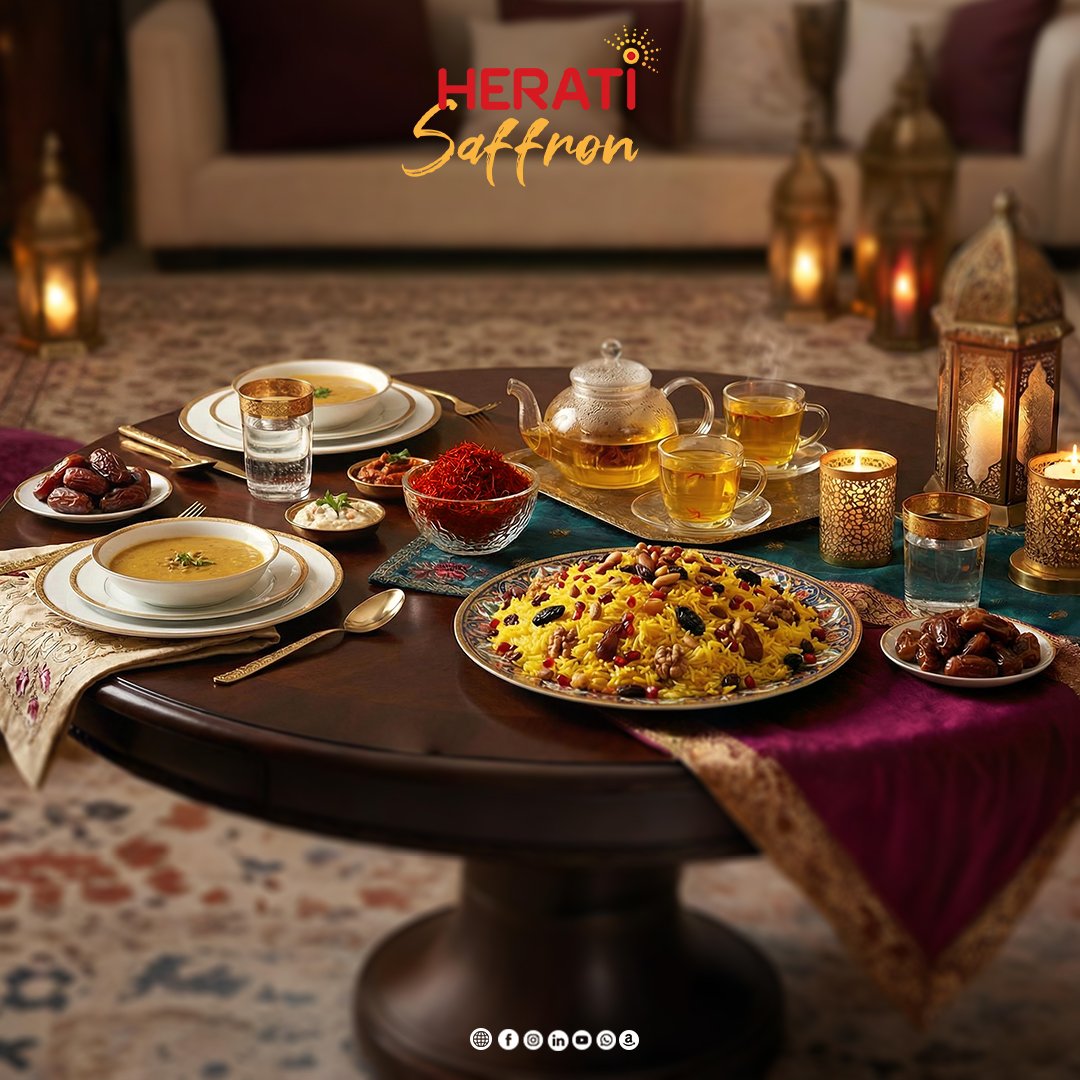
Dosage: 4–6 strands per dish.
Who Should Use a Lower Dosage?
These groups should stay around 2–3 strands per day:
• pregnant women
• people new to saffron
• people with low blood pressure
• anyone taking strong medication
(Always follow medical advice if you have health conditions.)
Why Herati Saffron Provides Stronger Results
Herati Saffron has:
• Higher crocin levels
• Deeper natural color
• Stronger aroma
• Pure, unbroken threads
This means you get more benefits with fewer strands, making it cost-effective and healthier.